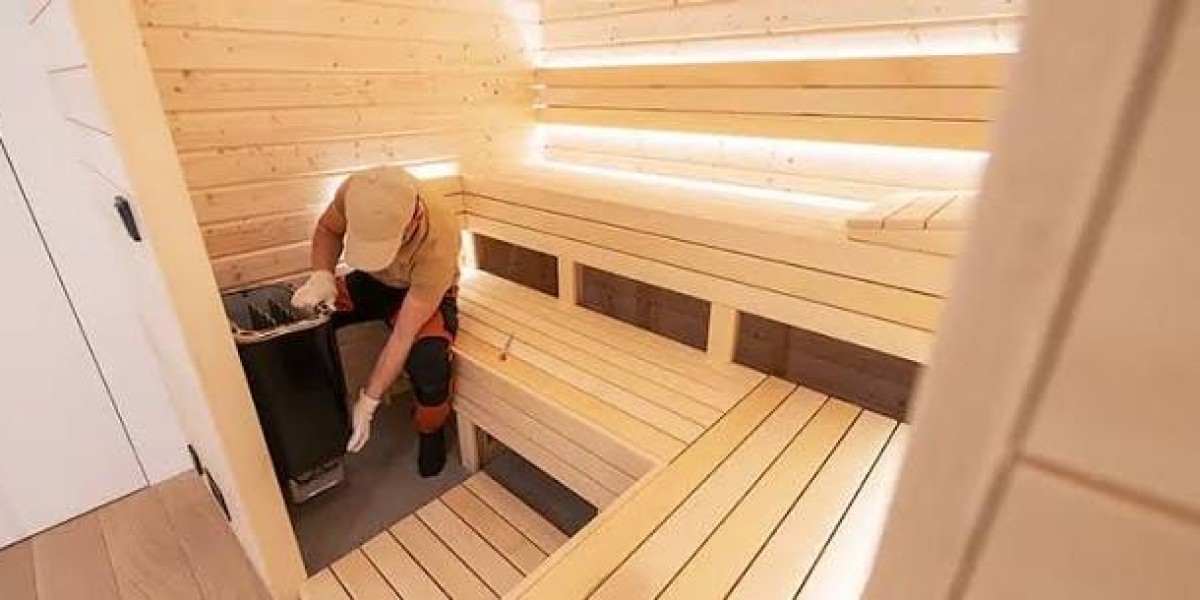

Understanding the Importance of Proper Sauna Maintenance
A home sauna is an investment in comfort, relaxation, and everyday wellness, but keeping it in excellent condition requires more than simply turning on the heater whenever you want to enjoy a warm session. Regular maintenance helps preserve the appearance of the interior wood, supports consistent heating performance, protects electrical components, and prevents small problems from developing into expensive repairs. Over time, repeated exposure to high temperatures, moisture, and changing humidity levels can affect different parts of a sauna, including benches, wall panels, doors, heating elements, and ventilation openings. Understanding how these components work together makes it easier to recognize early warning signs and decide when professional attention may be necessary. A properly maintained sauna can provide a comfortable environment for many years while helping homeowners avoid unnecessary equipment replacement and unexpected interruptions.
Recognizing Common Problems That Require Attention
Knowing when something is not working correctly is an important part of maintaining a safe and comfortable sauna. Homeowners may notice that the room takes longer to heat, the temperature becomes inconsistent, the heater makes unusual noises, or certain areas no longer feel as warm as they previously did. These symptoms can indicate issues involving the thermostat, heating elements, electrical connections, insulation, or ventilation system. Home Sauna Repair often begins with identifying these early warning signs rather than immediately replacing equipment that may still be functioning properly. Changes in the appearance of wood, loose bench components, damaged door seals, and unusual moisture accumulation should also receive attention. Recording when a problem occurs and whether it happens during startup or after extended use can provide useful information when arranging an inspection and help a qualified technician identify the underlying cause more efficiently.
Checking the Sauna Heater for Performance Issues
The sauna heater is one of the most important components because it produces the heat needed to create a comfortable environment. When the heater does not perform correctly, the entire sauna experience can become less enjoyable, and continued operation may place additional stress on electrical or mechanical components. Homeowners should pay attention to heating speed, temperature consistency, unusual sounds, and any visible signs of deterioration around the heater housing. Loose stones, blocked airflow, damaged protective covers, and aging heating elements may contribute to performance problems. The heater should always be inspected according to the manufacturer's instructions, and electrical components should be handled by a qualified professional. Keeping the surrounding area clear and ensuring that the heater receives adequate ventilation can also support reliable operation. Regular inspection helps identify developing problems before they interfere with normal sauna use.
Understanding Why Heating Elements May Stop Working
Heating elements experience repeated temperature changes every time a sauna is switched on and allowed to cool down. This continuous cycle can gradually affect their performance, especially when the equipment is old, incorrectly installed, or exposed to conditions outside the manufacturer's recommendations. A damaged element may produce less heat than expected, create uneven temperatures, or prevent the sauna from reaching its selected setting. In some situations, a thermostat or electrical connection may be responsible for symptoms that appear to indicate a failed heating element. Homeowners should avoid opening the heater or attempting electrical repairs without appropriate qualifications because these components can present serious safety risks. A professional inspection can determine whether an element needs replacement, whether another component is responsible, and whether the heater remains suitable for continued operation.
Maintaining the Interior Wood and Wooden Benches
Wood gives a sauna its distinctive appearance and contributes to the comfortable atmosphere that makes the space inviting. However, repeated exposure to heat, perspiration, and humidity can gradually affect wooden surfaces if they are not cleaned and maintained correctly. Benches may develop discoloration, rough patches, loose joints, or small splinters after years of regular use. Home Sauna Repair may involve addressing these wooden components when their condition affects comfort, stability, or appearance. Cleaning should be performed with products approved for sauna interiors, while harsh chemicals and unsuitable coatings should be avoided because they may release unwanted odors when heated. Wooden benches should also be allowed to dry properly after use. If a bench becomes unstable or a panel develops significant damage, a qualified professional can determine whether it can be repaired safely or requires replacement.
Identifying and Addressing Sauna Door Problems
A properly functioning sauna door helps maintain the intended indoor environment while allowing people to enter and leave comfortably. Problems can develop when hinges become loose, wooden frames shift, handles deteriorate, or glass panels are no longer secured correctly. A door that does not close properly may allow warm air to escape and make it more difficult for the heater to maintain a consistent temperature. Homeowners should inspect the hinges, handle, frame, and surrounding seals periodically, paying particular attention to movement or visible damage. Glass doors require special care because cracks, chips, or weakened mounting points can create safety concerns. Repairs involving glass or structural door components should be completed by qualified professionals. Maintaining correct door alignment helps improve comfort, reduce unnecessary heat loss, and support the overall performance of the sauna.
Why Proper Ventilation Is Essential
Ventilation plays an important role in maintaining comfortable air circulation inside a sauna. Without suitable airflow, the room may feel uncomfortable, temperatures can become uneven, and moisture may remain trapped longer than expected. Ventilation openings should be kept clear of towels, storage items, dust, and other obstructions that could interfere with the intended airflow pattern. Homeowners should also understand that ventilation requirements differ depending on the sauna design, heater type, and manufacturer's specifications. Home Sauna Repair may become necessary when ventilation components are damaged, incorrectly positioned, or no longer allowing air to circulate as intended. Adding random openings or changing existing ventilation arrangements without professional guidance can affect performance rather than improve it. A knowledgeable technician can inspect the airflow system, identify restrictions, and recommend adjustments that suit the specific sauna model.
Inspecting Electrical Connections and Control Systems
Electrical components are responsible for operating the heater, regulating temperature, and controlling important functions throughout the sauna. Over time, switches, wiring connections, sensors, and control panels may experience wear or develop faults that interfere with normal operation. A control panel that becomes unresponsive, displays unusual readings, or fails to maintain the selected temperature should not be ignored. Homeowners should never attempt to repair exposed wiring, open electrical housings, or bypass safety controls themselves. Instead, power should be handled according to the manufacturer's safety instructions, and a licensed electrician or qualified sauna technician should inspect suspected electrical faults. Regular professional checks can help identify loose connections, damaged insulation, and incompatible replacement components. Keeping electrical systems in suitable condition is essential for reliable operation and helps reduce the risks associated with overheating or electrical failure.
Preventing Excessive Moisture Inside the Sauna
Although moisture is a normal part of certain sauna experiences, excessive or poorly managed moisture can affect wooden surfaces, fittings, and surrounding building materials. Water left on benches, floors, and lower wall sections may contribute to discoloration, unpleasant odors, or gradual material deterioration. Homeowners should wipe away visible standing water when appropriate and allow the interior to dry after each session. Home Sauna Repair may be needed when moisture has affected structural components, damaged wooden sections, or contributed to persistent odors that ordinary cleaning cannot resolve. It is also important to investigate where unwanted moisture is coming from rather than simply covering visible marks. Proper ventilation, suitable cleaning practices, and attention to plumbing or building leaks can help protect the sauna interior and maintain a healthier environment for regular use.
Cleaning the Sauna Interior Without Damaging Surfaces
Cleaning is one of the simplest ways to protect a sauna, but using unsuitable products can create additional problems. Strong household chemicals, abrasive tools, heavily scented cleaners, and products not intended for high-temperature environments may damage wood or leave residues that become noticeable when the sauna heats up. Benches, backrests, floors, and frequently touched surfaces should be cleaned using manufacturer-approved methods. Soft cloths and suitable cleaning materials can help remove perspiration marks and ordinary dirt without unnecessarily wearing down the wood. Homeowners should also avoid soaking wooden surfaces because excessive water can penetrate the material and make drying more difficult. A consistent cleaning routine reduces buildup, improves the appearance of the room, and makes it easier to identify changes that may indicate a developing maintenance issue.
Understanding the Role of Sauna Insulation
Insulation helps a sauna retain heat and allows the heating system to operate under the conditions for which it was designed. When insulation becomes damaged, compressed, wet, or incorrectly installed, the room may lose heat more quickly than expected. This can lead to longer heating periods, inconsistent temperatures, and additional demands on the heater. Homeowners may notice that certain walls feel unusually cool or that the sauna struggles to maintain its selected temperature, although these symptoms can also have other causes. A professional inspection can assess the insulation and identify whether gaps, moisture exposure, or construction problems are affecting performance. Repairs should consider the sauna's complete wall and ceiling assembly rather than focusing on a single visible area. Suitable insulation materials and correct installation methods help maintain energy efficiency and long-term comfort.
Repairing Loose Panels and Interior Fittings
Interior panels and fittings help create a finished appearance while supporting the structure and usability of the sauna. Repeated heating and cooling may gradually affect fasteners, joints, and connections, particularly in older installations or spaces that have not received regular maintenance. A loose wall panel may produce movement or noise, while unstable backrests and accessories can reduce comfort during use. Homeowners should inspect visible fittings without removing structural components or disturbing concealed electrical equipment. Home Sauna Repair may include tightening suitable connections, replacing damaged fittings, or securing panels using materials recommended for the specific sauna environment. It is important to use compatible components because ordinary household adhesives, metals, and fasteners may not withstand repeated high-temperature exposure. Correct repairs help restore stability and prevent minor fitting problems from becoming larger maintenance concerns.
Recognizing Unusual Odors and Their Possible Causes
A clean sauna may have a natural wood aroma, but strong, persistent, or unusual odors should receive attention. A burning smell may indicate overheating, dust accumulation, an electrical problem, or another condition requiring immediate inspection. Musty odors may be associated with trapped moisture, insufficient drying, or contamination on surfaces that are difficult to reach. Homeowners should distinguish ordinary wood scents from smells that appear suddenly or become stronger during operation. If an unusual burning odor develops, the sauna should be switched off and checked according to the manufacturer's safety guidance before it is used again. A qualified technician can inspect the heater and electrical system, while appropriate cleaning and ventilation improvements may help address moisture-related odors. Identifying the source is more effective than masking unpleasant smells with fragrances or household sprays.
Maintaining Sauna Stones and Heater Airflow
Sauna stones are an important part of many traditional electric sauna heater systems because they store and distribute heat while supporting the intended steam experience when water is used according to the heater manufacturer's instructions. Over time, stones may shift, break down, or collect small particles that interfere with airflow. They should be inspected and maintained at the intervals recommended by the equipment manufacturer. Broken or unsuitable stones should be replaced with compatible sauna stones rather than ordinary rocks collected outdoors. Incorrect stone placement can restrict circulation around heating elements and may affect temperature performance. Homeowners should allow the heater to cool completely before any maintenance and follow the manufacturer's instructions carefully. Proper stone arrangement helps the heater operate as intended and supports more consistent heat distribution throughout the sauna.
When Professional Inspection Becomes Necessary
Some maintenance tasks, such as wiping benches or checking visible fittings, can be completed by homeowners, but more complex problems require trained professionals. Electrical faults, damaged heating elements, recurring temperature problems, compromised glass panels, and suspected structural damage should not be treated as ordinary cleaning tasks. Home Sauna Repair becomes especially important when a problem continues after basic maintenance or when the equipment shows signs of unsafe operation. A qualified technician can inspect the complete system, test relevant components, and explain whether repair or replacement is the more practical solution. Professional assessment also helps ensure that replacement parts match the original equipment specifications. Attempting complicated repairs without the right tools or experience can make a small fault more expensive and may expose household members to avoidable risks.
Choosing Suitable Replacement Parts
Replacement parts should always be selected according to the sauna manufacturer's specifications, equipment model, and intended operating conditions. A component that appears similar may have different electrical ratings, dimensions, temperature resistance, or installation requirements. Using incompatible parts can affect performance and may compromise important safety features. Before ordering a replacement thermostat, heating element, control panel, door fitting, or other component, homeowners should record the product model and consult the manufacturer or a qualified service provider. It is also useful to ask whether the replacement part is approved for the specific sauna system and whether installation requires professional assistance. Keeping documentation and previous service records makes future maintenance easier because technicians can understand the equipment's history and identify suitable components without relying on guesswork.
Improving Temperature Control and Sensor Accuracy
Temperature sensors and control systems help regulate the sauna environment and prevent the heater from operating outside its intended conditions. If a sensor becomes damaged, incorrectly positioned, or affected by a wiring fault, the displayed temperature may not accurately represent the conditions inside the room. This can cause the heater to stop too early, continue heating unexpectedly, or create an uncomfortable difference between the selected and actual temperature. Homeowners should avoid moving sensors or changing control settings beyond the manufacturer's instructions. A qualified technician can inspect sensor placement, test the control system, and determine whether calibration or replacement is required. Maintaining accurate temperature control supports a more predictable sauna experience and helps ensure that built-in protective features continue to function correctly.
Protecting the Sauna Floor and Surrounding Area
The floor and surrounding structure deserve attention because they may be exposed to moisture, cleaning products, foot traffic, and temperature changes. Depending on the sauna design, flooring may consist of wood, tile, or another material selected for the installation. Homeowners should follow the manufacturer's cleaning recommendations and avoid allowing water to remain in areas where it could affect the underlying structure. Mats and removable floor coverings should be suitable for sauna conditions and should not block ventilation or create tripping hazards. If flooring becomes loose, unusually soft, discolored, or persistently damp, the source of the problem should be investigated. A professional can determine whether the issue involves surface materials, drainage, moisture protection, or the surrounding building structure and recommend an appropriate repair.
Creating a Regular Sauna Maintenance Schedule
A maintenance schedule makes it easier to keep track of small tasks before they become major problems. After each session, homeowners can remove used towels, wipe visible moisture where appropriate, and leave the sauna in a condition that allows it to dry properly. Weekly or routine checks can include inspecting benches, examining visible fittings, cleaning approved surfaces, and checking that ventilation openings remain unobstructed. More detailed inspections should follow the equipment manufacturer's recommended intervals and may include professional assessment of the heater, electrical system, controls, and structural components. Keeping a written record of cleaning, inspections, repairs, and replacement parts helps identify recurring problems. A consistent schedule also makes it easier to plan maintenance costs and reduces the chance of overlooking components that are essential to safe and reliable operation.
How Proper Use Can Reduce Future Repair Needs
The way a sauna is used can have a significant influence on how quickly its components experience wear. Following the recommended operating temperature, respecting the maximum session guidance, and avoiding unauthorized changes to the heater or control system can help preserve equipment condition. Users should also avoid placing towels, clothing, or other objects on heaters unless the manufacturer specifically permits a particular accessory or arrangement. Water should only be added to sauna stones when the heater is designed for that purpose and the manufacturer's instructions allow it. Children and other household members should understand basic safety rules, including keeping clear of hot surfaces and not changing electrical settings without permission. Responsible use supports better performance and reduces unnecessary stress on the heater, interior materials, and control components.
Understanding When Replacement Is Better Than Repair
Repairing a damaged component is often practical, but there are situations where replacement may provide better long-term value. An older heater with repeated faults, a control system that no longer supports available replacement parts, or wooden components with extensive deterioration may require a broader solution. The decision should consider the age of the sauna, the condition of its major components, repair costs, equipment availability, and the safety of continued operation. A technician can explain whether an individual part can be replaced or whether several connected components are approaching the end of their useful service life. Homeowners should compare the expected cost and reliability of repair with the cost of replacement rather than choosing solely on the lowest immediate price. A well-informed decision can prevent repeated service expenses and improve long-term satisfaction.
Maintaining Infrared Sauna Components
Infrared saunas use a different heating approach from traditional sauna systems, so their maintenance requirements can vary depending on the model and manufacturer. Infrared panels, electrical controls, temperature sensors, wiring, and interior surfaces should be checked according to the product instructions. A panel that does not warm correctly, a control display that behaves inconsistently, or an unexpected change in operating performance may indicate a component issue. Homeowners should not open panels or attempt electrical testing unless they are qualified to do so. Home Sauna Repair for an infrared model may involve diagnosing a panel fault, checking control connections, or identifying a problem with the temperature sensor. Using compatible replacement components and arranging qualified service helps preserve the intended operation of the system while reducing the risk of damage caused by unsuitable repairs.
Preparing a Sauna for Long Periods Without Use
A sauna that will remain unused for several weeks or months should be prepared carefully to protect its interior and equipment. The room should be cleaned according to the manufacturer's recommendations, removable items should be taken out, and the interior should be allowed to dry completely. Homeowners should also inspect the door, visible wood surfaces, ventilation openings, and surrounding area before leaving the sauna unused. Electrical equipment should be managed according to the manufacturer's instructions, and any required power isolation should be performed safely. If the sauna is located in a seasonal property, additional attention may be necessary to protect it from environmental conditions that could affect the structure or electrical system. Before using the sauna again, a basic inspection and appropriate startup procedure can help identify any changes that occurred during the period of inactivity.
Estimating Maintenance Costs and Planning Ahead
Planning for maintenance costs helps homeowners avoid delaying important work simply because an unexpected repair becomes difficult to budget for. The total expense depends on the sauna type, age, size, equipment condition, availability of replacement parts, and complexity of the problem. Basic cleaning and visual inspections generally require fewer resources than electrical repairs, heater replacement, or structural restoration. Homeowners can keep service invoices, note the date of previous repairs, and ask technicians to explain which components may need attention in the future. Home Sauna Repair costs should be evaluated alongside the expected service life and reliability of the repaired equipment. Requesting a clear description of the problem, proposed work, replacement parts, and labor charges makes it easier to compare service options and choose a solution that provides lasting value.
Building a Safer and More Comfortable Sauna Experience
A comfortable sauna depends on several systems working together, including heating equipment, ventilation, insulation, electrical controls, doors, benches, and interior surfaces. When one component begins to perform poorly, the effects may become noticeable throughout the room. Homeowners can protect their investment by following operating instructions, maintaining suitable cleaning routines, checking visible components, and arranging professional inspections when unusual symptoms appear. It is equally important to avoid shortcuts such as bypassing safety controls, installing unapproved parts, or using household products that are unsuitable for heated environments. Small maintenance steps can make a meaningful difference when they are performed consistently and correctly. By treating the sauna as a complete system rather than focusing only on the heater, homeowners can support dependable performance and enjoy a more comfortable space for relaxation.
Keeping Your Home Sauna in Excellent Condition for Years
Long-term sauna care is about combining responsible everyday use with timely maintenance and qualified repairs whenever a component requires professional attention. A clean interior, stable benches, properly functioning door, clear ventilation openings, and reliable heating system all contribute to a better experience. Homeowners should pay attention to unusual odors, inconsistent temperatures, damaged surfaces, and electrical warning signs instead of allowing problems to continue unnoticed. Keeping service records and following manufacturer recommendations also makes future inspections more straightforward. When expert assistance is needed, Chinook Hot Tubs and Saunas can help homeowners understand their sauna maintenance needs and explore suitable solutions for keeping their equipment in dependable condition. Taking a careful approach to maintenance today can help preserve comfort, protect the equipment, and make a home sauna a valuable part of everyday living for years to come.